Own Your Namespace: Building a Private DNS Root at Home
OpenInternet in practice: a private root, a .swadhin TLD, authoritative servers in your closet, and the honest limits of running your own corner of DNS.
17 articles in this category
OpenInternet in practice: a private root, a .swadhin TLD, authoritative servers in your closet, and the honest limits of running your own corner of DNS.
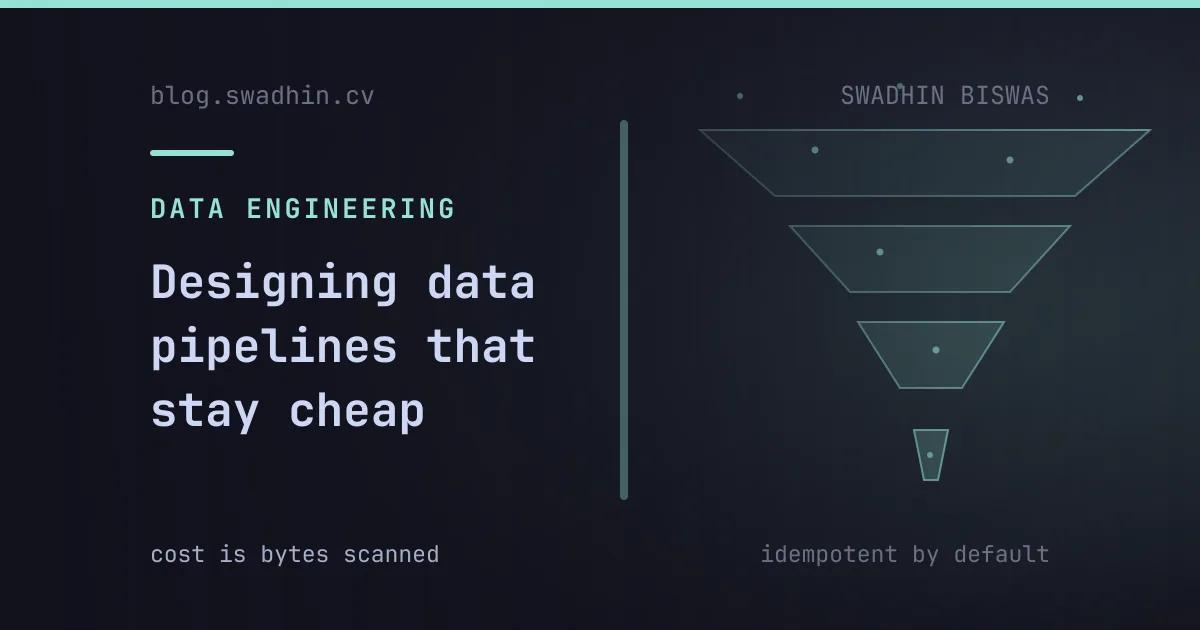
Efficient pipeline design is mostly a set of decisions about bytes scanned, work repeated, and failures survived. Here is how I reason through them, with the arithmetic shown.
The requirement was 100K rps. The work was arithmetic, a stateless tier, a cache that absorbs most of it, and a long list of things that break before the CPU does.
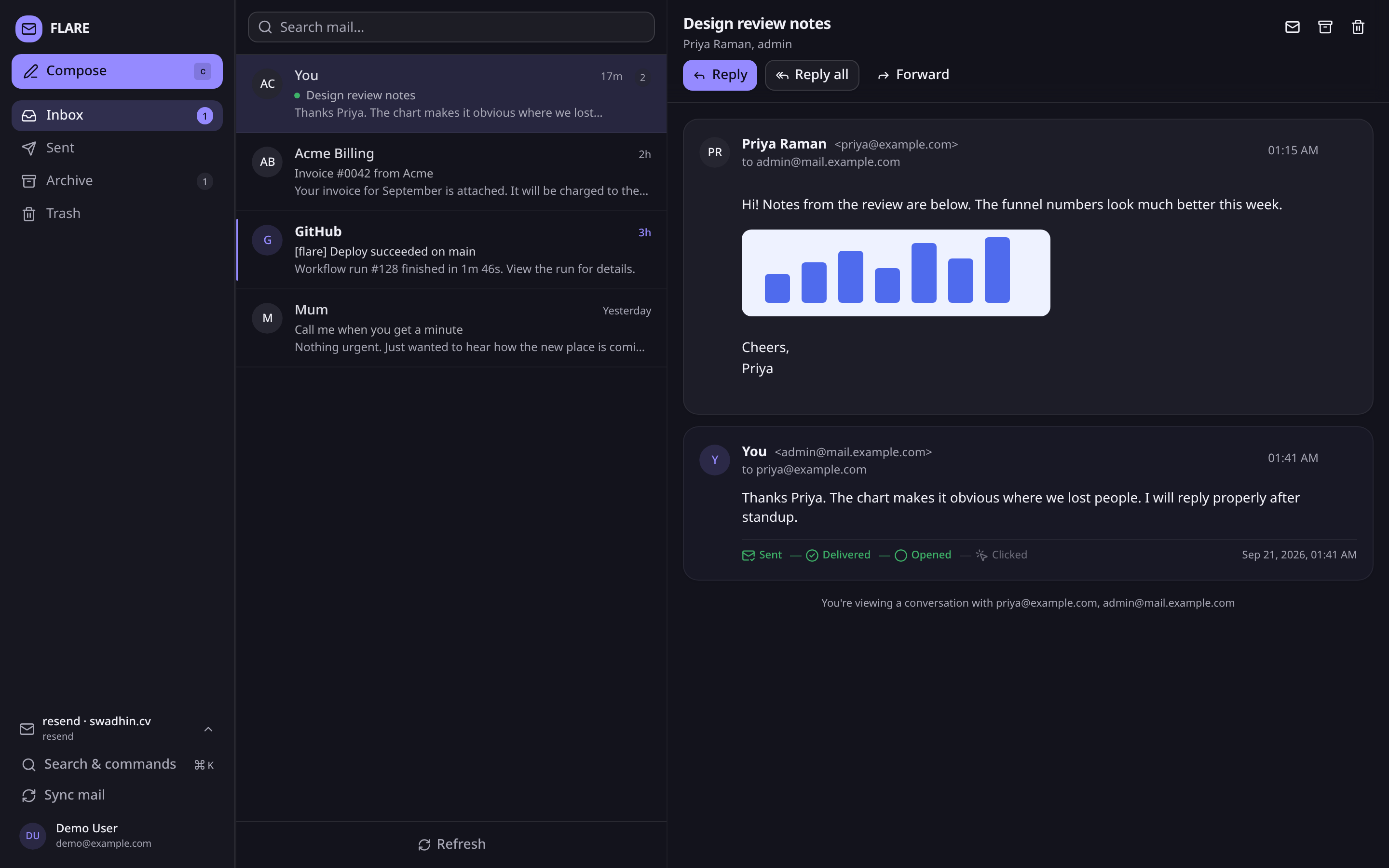
I built Flare to run mail for my own domain without an IMAP server. Astro on a Worker, Turso for state, Resend or Maileroo for delivery, webhooks for inbound.
Hand-curated source data, generated gold tables, and a published dataset. How I keep a directory of TOML honest with code generation and CI.
Four public sources, a versioned lake on Hugging Face, dbt transforms, an IsolationForest, and a dashboard at the edge. The compute bill is zero.
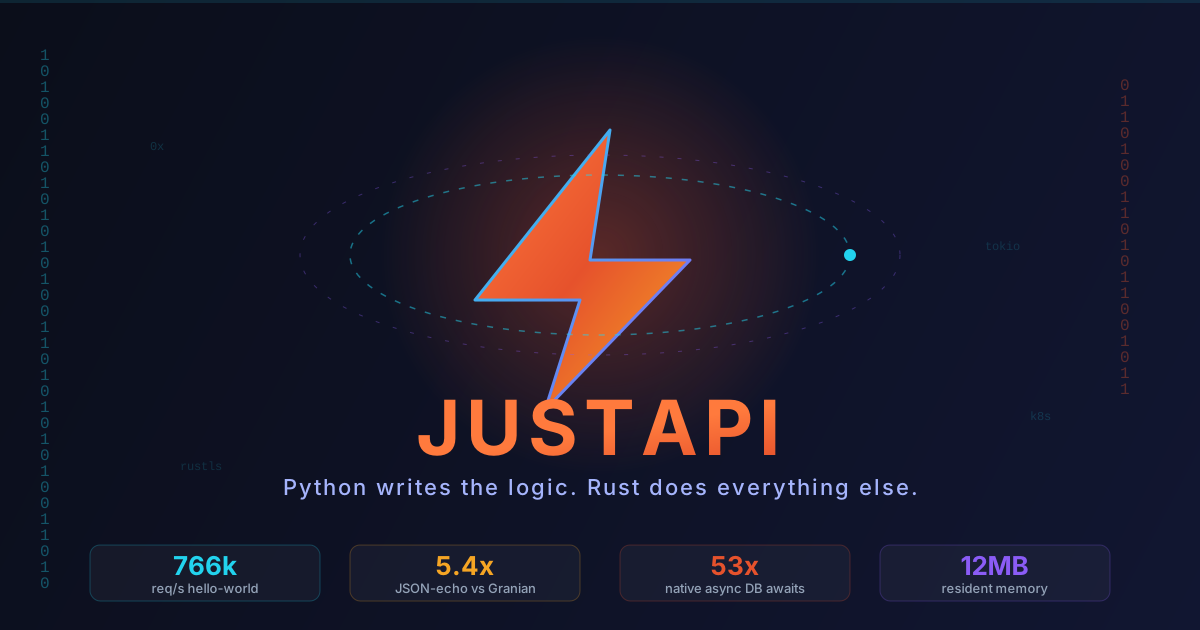
JustAPI is a Python web framework where the web server, the router, the TLS termination, the request validation, the JSON serialization, and the database access all run in Rust. Your Python code handles the application logic. That is the entire premise, and it is the one sentence that explains every design decision in the project.
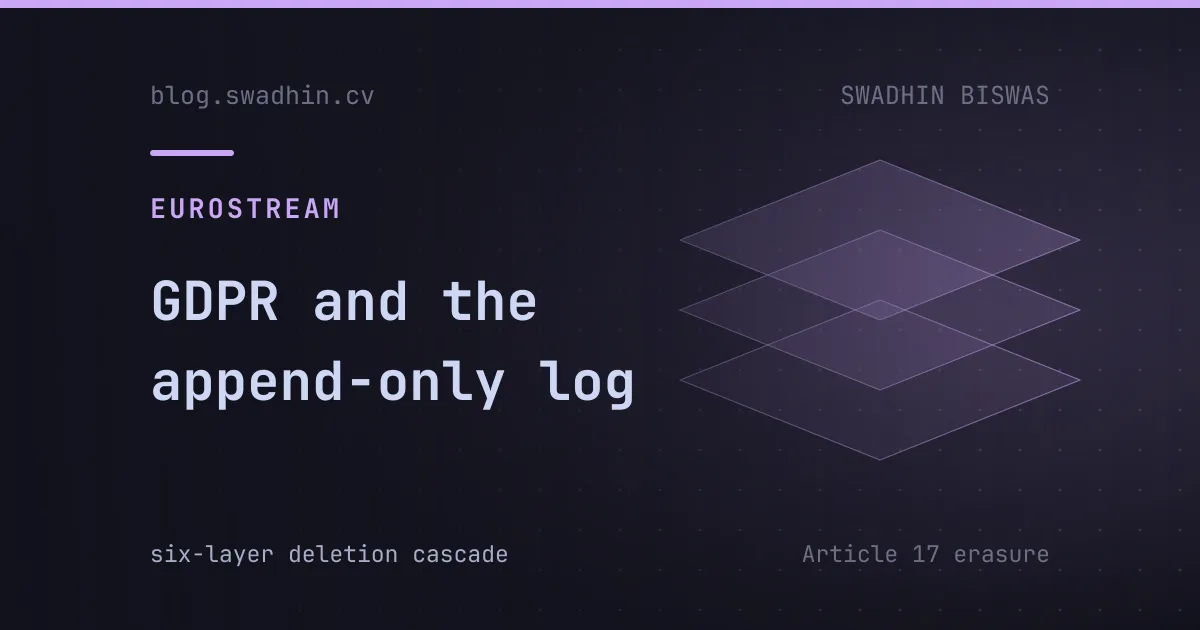
Kafka and Parquet are append-only by design. Article 17 is not. This is a medallion lakehouse built around a six-layer deletion cascade.
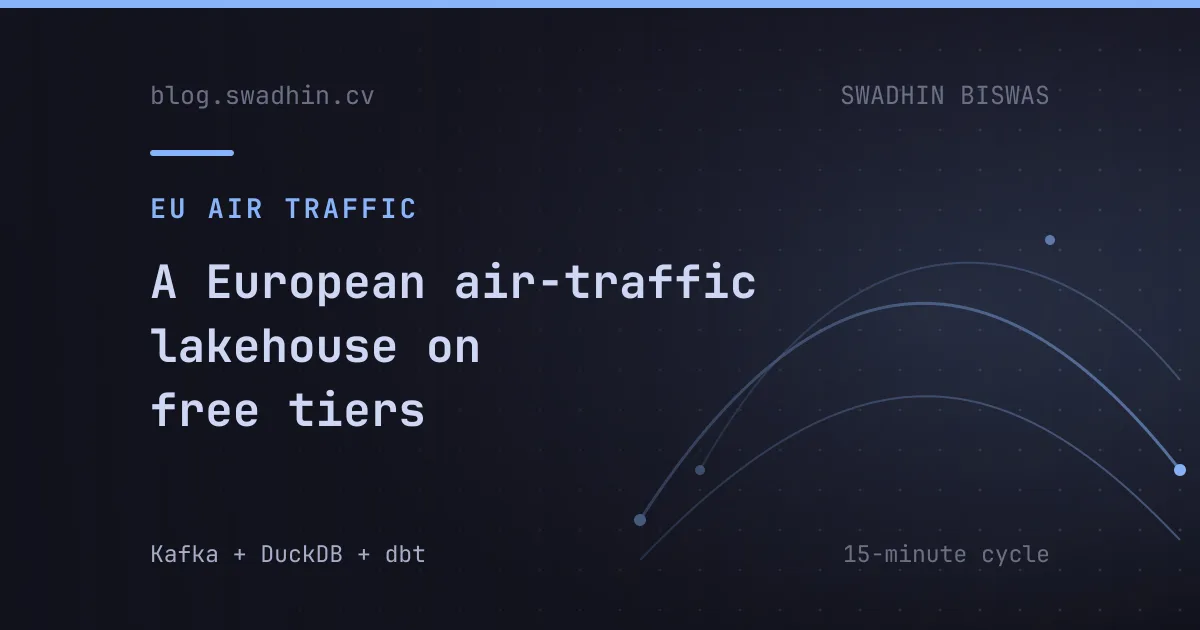
Kafka on a small VPS, DuckDB and dbt in CI, and a read-only Turso copy for the browser. How I built a live European airspace pipeline without a cloud budget.
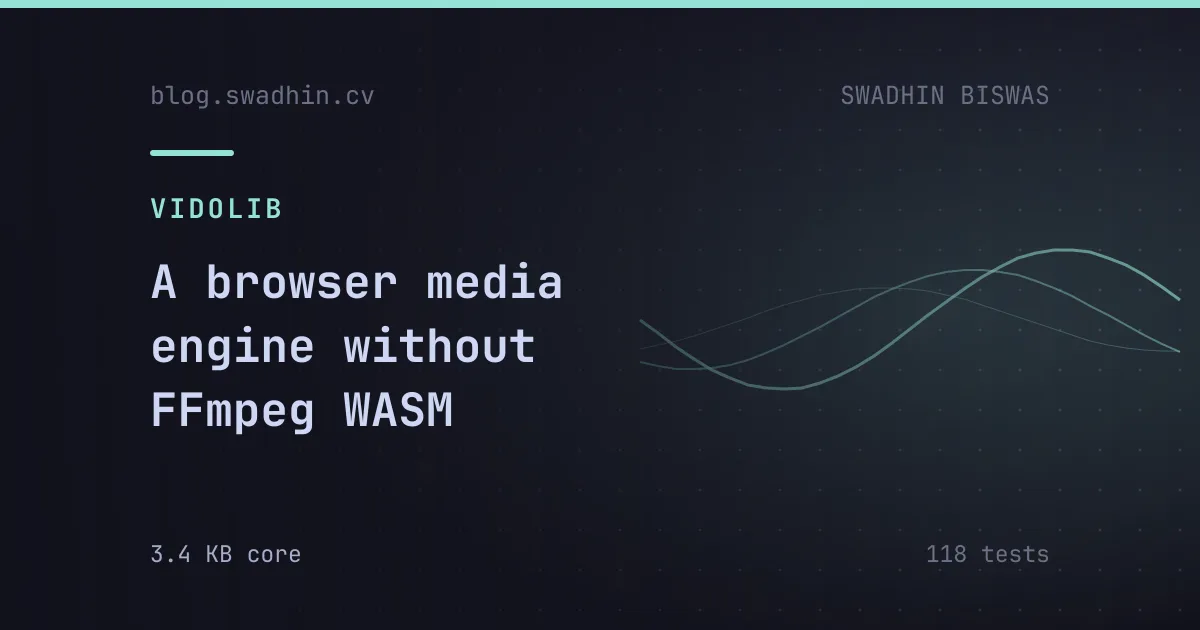
Most web players ship a 30 MB software decoder and hope the phone survives it. VidoLib decodes through WebCodecs instead, and ships every parser as its own plugin.
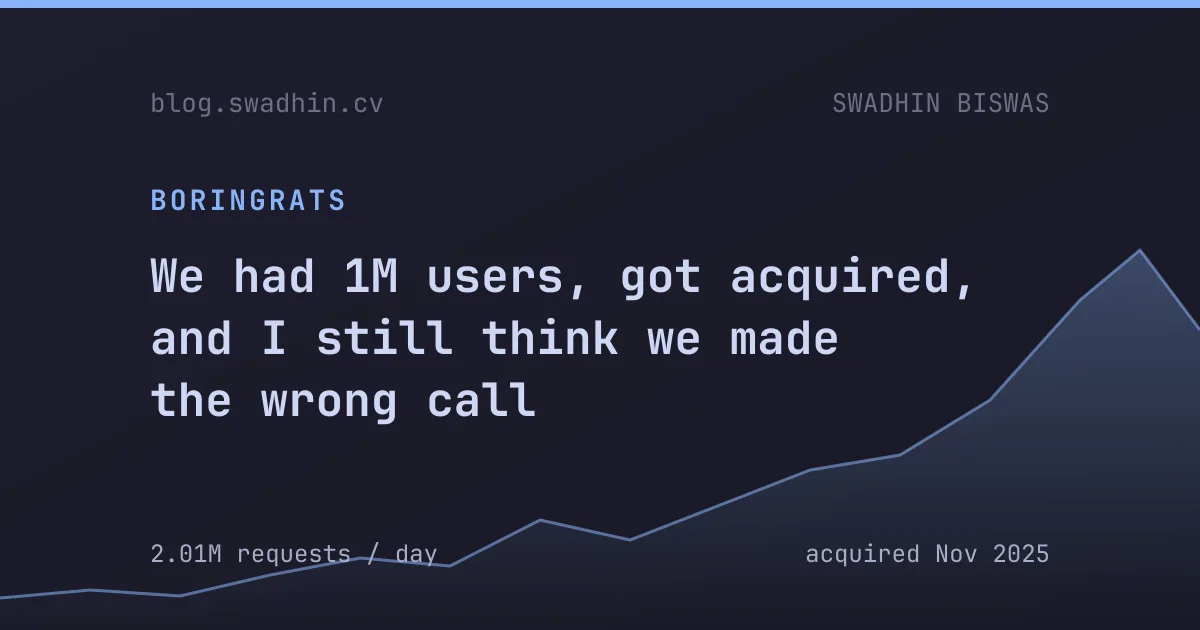
The Boring Rat was an umbrella for open-source projects, sites, and communities. We sold the assets in November 2025. I no longer have the dashboards, so this is the story I can stand behind.
OpenCodeHub is an open-source, self-hosted GitHub alternative built with Astro, TypeScript, and Drizzle ORM. Features SSH, stacked PRs, CI/CD pipelines, and AI code review — on your own server.
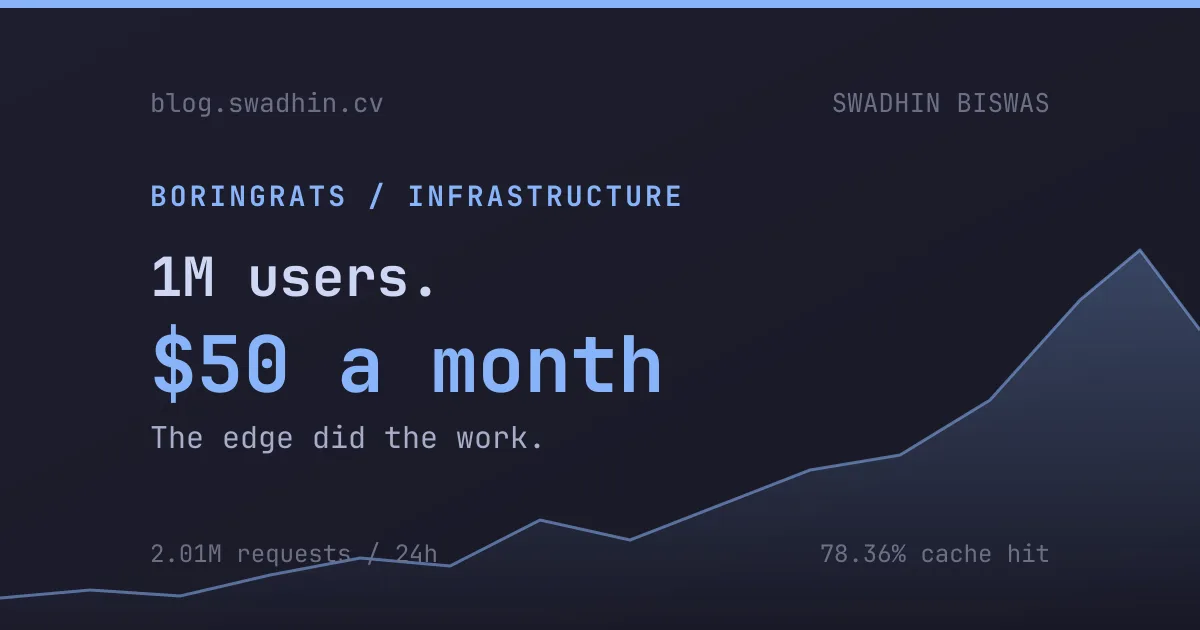
Boringrats served a million users on donations, with a fifty-dollar monthly budget and a bill that landed near thirty-five. Here is the architecture, the numbers from the busiest day, and what it cost outside the invoice.
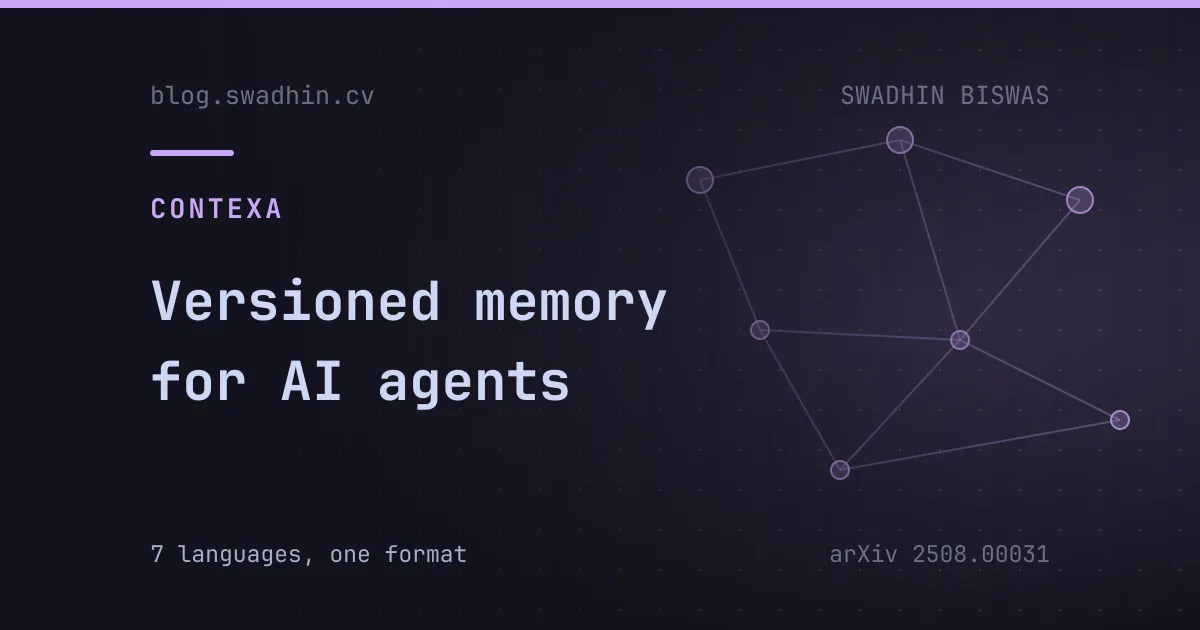
An agent that runs long enough will forget what it decided. I implemented the GCC framework, which treats agent memory like Git, in seven languages against one on-disk format.
ART splits reasoning into six stages with explicit uncertainty and refuses when evidence runs out. GSM8K 55.6 percent at 0.29x cost in our runs.
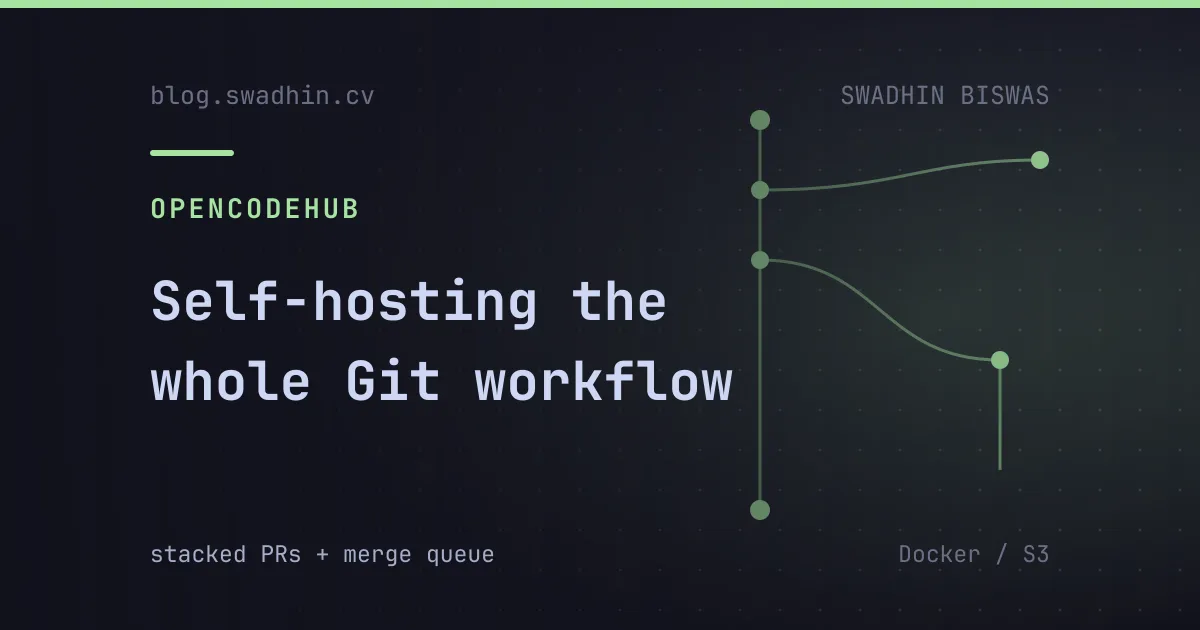
A self-hosted forge with stacked pull requests, a speculative merge queue, Actions-compatible CI, and AI review. The reasoning behind a modular monolith, and the parts that were hard.