Own Your Namespace: Building a Private DNS Root at Home
OpenInternet in practice: a private root, a .swadhin TLD, authoritative servers in your closet, and the honest limits of running your own corner of DNS.
10 articles in this category
OpenInternet in practice: a private root, a .swadhin TLD, authoritative servers in your closet, and the honest limits of running your own corner of DNS.
20% of my disk free, 2% CPU, 29% RAM, and the machine still hung. Btrfs metadata was 93% full and 125,000 of the files were loose Git objects from an agent snapshot layer.
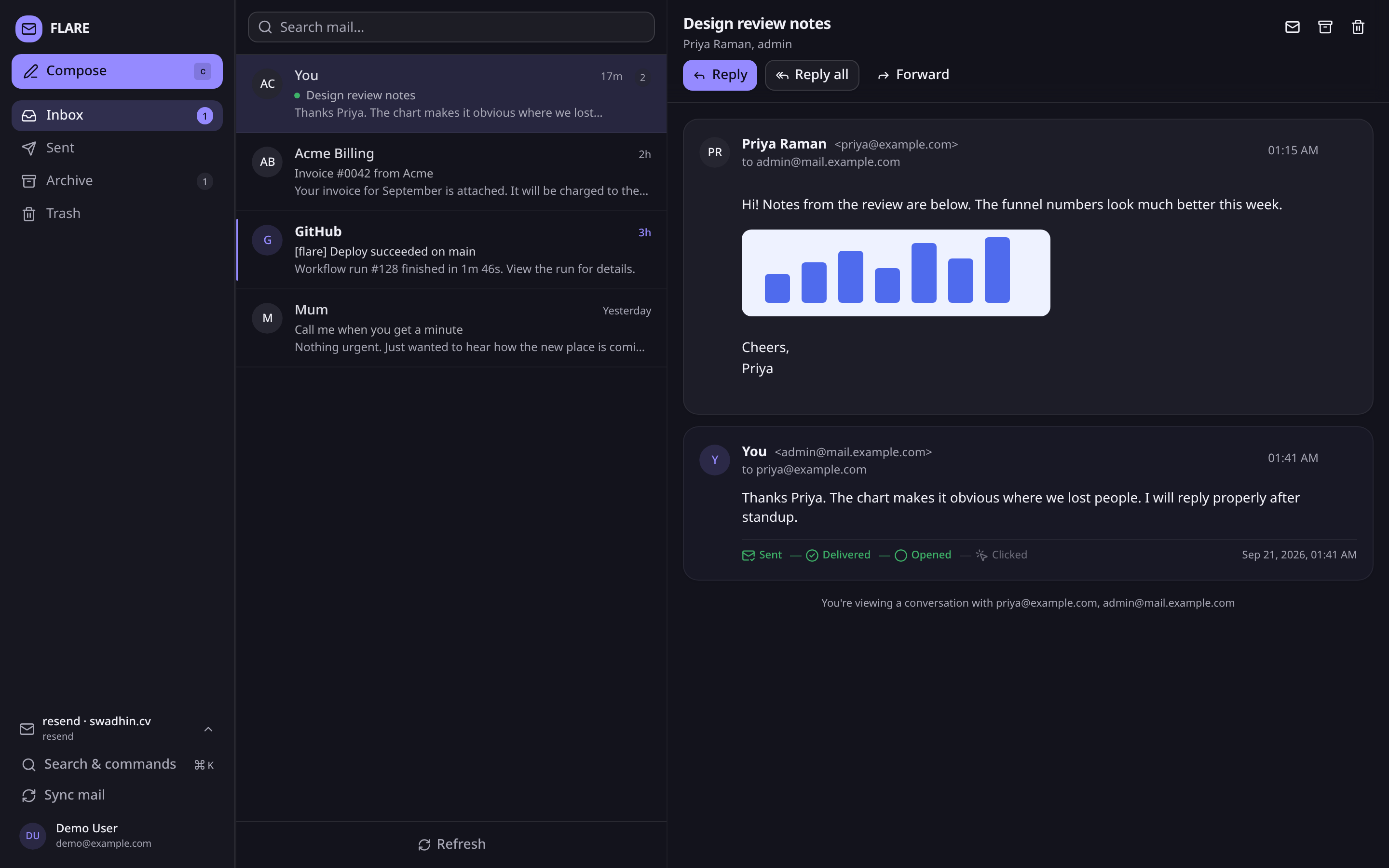
I built Flare to run mail for my own domain without an IMAP server. Astro on a Worker, Turso for state, Resend or Maileroo for delivery, webhooks for inbound.
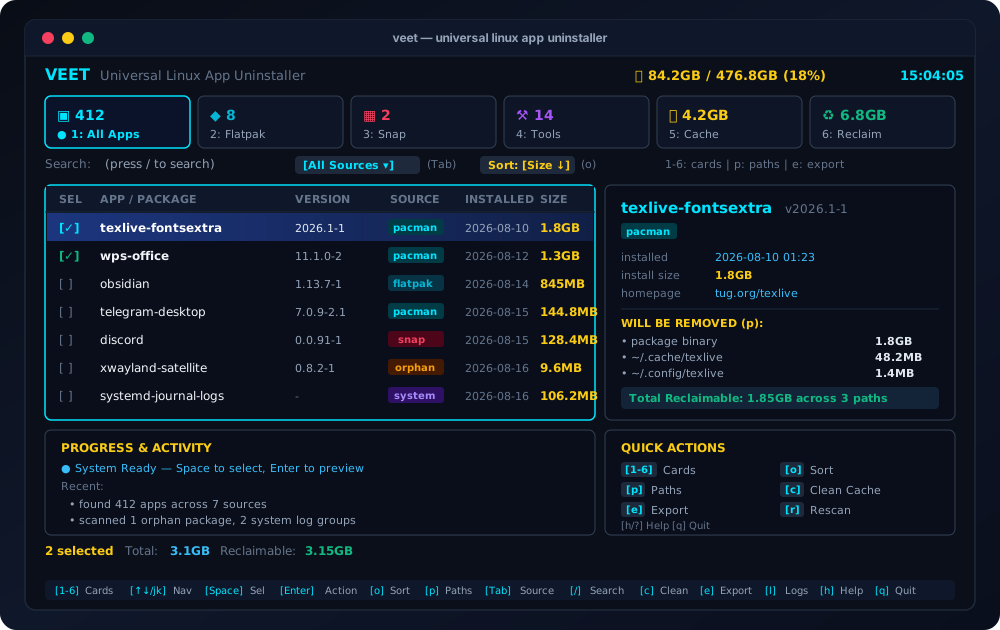
Removing a Linux app often leaves configs and caches on disk. Veet scans 17 sources at once, stages every residual path, and removes them in one confirmed step.
An OpenAI-compatible endpoint, guardrails, a model registry, drift detection, and Prometheus metrics, packaged as a single Docker container.
Kafka on a small VPS, DuckDB and dbt in CI, and a read-only Turso copy for the browser. How I built a live European airspace pipeline without a cloud budget.
Two GitHub accounts, two Discords, a stable and a beta of the same tool, all on one machine with no container, no daemon, and no sudo. The isolation model is three ideas and a path rewrite.
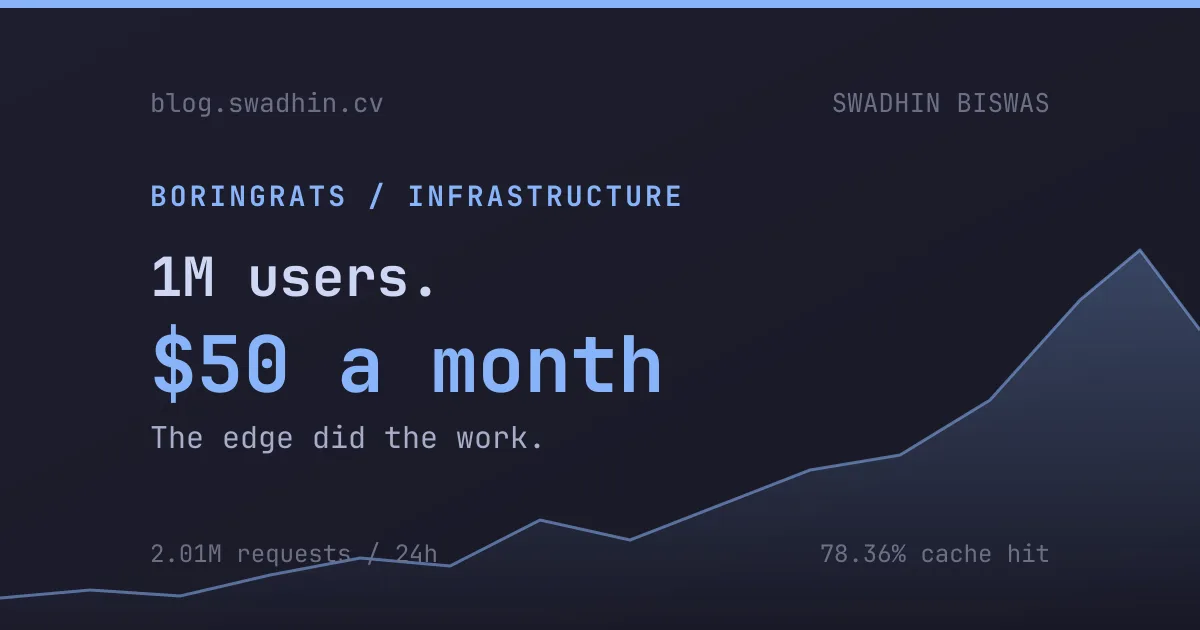
Boringrats served a million users on donations, with a fifty-dollar monthly budget and a bill that landed near thirty-five. Here is the architecture, the numbers from the busiest day, and what it cost outside the invoice.
A self-hosted forge with stacked pull requests, a speculative merge queue, Actions-compatible CI, and AI review. The reasoning behind a modular monolith, and the parts that were hard.